UK government’s green paper suggests changes to BBC funding model
The UK government has outlined the changes it is considering making to the BBC’s Charter from 2028 onwards, including a radical shake-up of the licence fee funding model.
With the current BBC Charter expiring on December 31, 2027, the UK government is reviewing the Charter to decide on the terms for its renewal and any changes needed to help the BBC to continue to serve the public.
The review has seen the launch of the Terms of Reference, a public consultation and a government document, also known as a green paper, which includes details on the various funding options on the table for the BBC.
The green paper states that although the licence fee funding model still has “many benefits,” uptake has been on a clear downward trend, and if that pattern continues and the current model remains in place without reform, the BBC’s licence fee income will erode over time, which would diminish the UK pubcaster.
The government said it is “keeping an open mind” about the future of BBC funding and has not yet identified a preferred model or ruled out keeping the current licence fee in place with its current structure
However, it is consulting on several options, including reforming the licence fee to help address the funding challenges the BBC faces, and grow commercial revenue via introducing advertising and a subscription model.
“We are considering options ranging from targeted advertisements on bbc.co.uk or YouTube, to full advertising across all BBC platforms. We are also considering a targeted top-up subscription service for historic BBC content, increasing to a more expansive subscription service where commercial programmes are behind a paywall,” the green paper states.
“These options could further supplement BBC public funding to facilitate greater investment in content and/or enable the cost of the licence fee for households to be managed.”
Among the approaches it is exploring are changing the BBC’s remit so that it offers a smaller range of licence fee-funded content on a universal basis on live TV and BBC iPlayer, with some TV content and genres moved to a subscription model. Content that remained universally available could include genres such as news, current affairs, factual and children’s TV.
It is also exploring options for funding the BBC World Service and supporting sustainable funding for minority language broadcasting, including S4C in Wales. The new Charter will take effect on January 1, 2028.
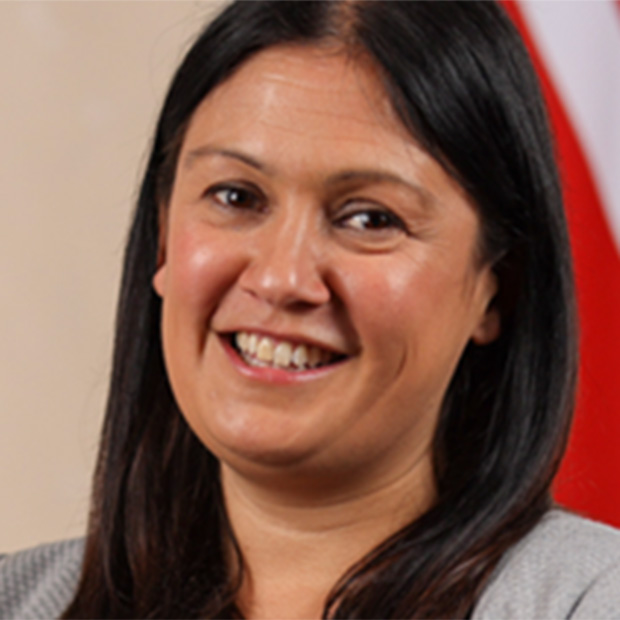
Lisa Nandy, secretary of state for culture, media and sport, said: “This 10th Charter will formally set the terms of the BBC for the future. My ambition is that it sets the BBC on a path to thrive until well into the latter half of this century. I believe the BBC, alongside the NHS, is one of the two most important institutions in our country. While one is fundamental to the health of our people, the other is fundamental to the health of our democracy. This green paper begins the conversation about how to ensure it remains the beating heart of our nation for decades to come.”
Outgoing director general Tim Davie gave the following statement on the UK government’s green paper and public consultation on the future of the BBC.
“We welcome the publication of the government’s green paper and the start of the public consultation on the future of the BBC. We urge everyone who cares about the success of the UK’s world-leading creative industries to have their say,” Davie said.
“At the BBC, we want change, so we can continue to deliver for the UK for generations to come. We want to secure a public service BBC that is independent, sustainably funded for the long term, and meets our audience’s needs.”
Philippa Childs, head of the BBC’s largest union Bectu, said: “The focus on sustainable and fair funding is right, in order to future-proof the BBC, however the licence fee remains, in our view, the best way to fund the BBC. Any proposed change must not undermine the BBC’s ability to deliver distinctive, original content or reduce it to just another streaming service.
“We strongly welcome the green paper’s recognition of the BBC as the heart of the UK’s creative ecosystem, and its emphasis on skills and growth. However, current plans to outsource significant parts of the BBC’s work are clearly at odds with this. Any such plans should be scrapped, or at the very least paused, until the Charter process is complete and a new director general is in post.
“It is also positive to see acknowledgement of the cultural issues that have plagued the BBC. Appointing a board member with specific responsibility is a start, but transparency and trust are essential. There must be no place in the BBC board for political appointees. Staff must have confidence that systems work and that their voices will be heard. We welcome the commitment to CIISA and urge the BBC to require full CIISA compliance from all contractors, so no worker experiences a repeat of recent events on MasterChef.”