BBC set to launch 50 new YouTube channels in next 12 months as part of youth push
The BBC and YouTube have shared more details about their recently announced strategic partnership, which will see the UK pubcaster produce bespoke content for the Google-owned video giant.
The new content will launch at the same time on BBC iPlayer and BBC Sounds. Initial details about the BBC and YouTube’s agreement emerged last week after the latest figures from the Broadcasters’ Audience Research Board showed YouTube is cementing itself as one of the most watched services in UK households.
The BBC pointed to data showing 15 billion annual YouTube views of BBC Studio content, with watch time nearly doubling year on year and engagement continuing to grow across key global markets.
BBC Studios has used YouTube to exponentially grow the reach of brands such as Bluey, which led to BBC Children’s uploading full episodes of its shows to the CBeebies YouTube channel as a way to funnel preschoolers and parents to iPlayer.
The BBC now looks set to repeat that strategy with other genres and audiences, as teased by chief content officer Kate Phillips last year.
Under the deal, the BBC will expand its YouTube presence, including the launch of new targeted channels for UK children and young adults, including Deepwatch (working title), featuring new and existing BBC documentaries.
The YouTube push will also bring seven new children’s channels, such as The Epic Facts channel, featuring content from CBBC’s Operation Ouch, Horrible Histories, Horrible Science and Deadly 60, to the platform.
Dan McGolpin, director of BBC iPlayer and TV channels, said on LinkedIn that the plan is to launch “at least” 50 new BBC YouTube channels over the next 12 months, many of which will feature bespoke content for “YouTube-native audiences” that will also appear on iPlayer and Sounds.
The BBC will also make more of its news content available on YouTube, with new global channels, real-time live story streams and innovative story formats, the pubcaster said.
According to the pubcaster, partnering with YouTube is part of its ‘value for all’ strategy, ensuring more BBC content is accessible to all audiences where they are.
The partnership will also see the launch of a new BBC and YouTube creator skills and training programme to upskill and partner with creators and established TV producers at the BBC’s hubs across the UK, in partnership with the National Film & Television School.
Unlike commercial public service broadcasters ITV and Channel 4, which get ad revenue from their increasingly comprehensive presence on YouTube, the ad-free BBC would not receive any financial return from being on the platform domestically, although its overall viewing figures would likely get a boost. Subject to rights negotiations with producers, it could benefit from YouTube ads placed around the content outside of the UK.
The deal between YouTube and the BBC has not received unanimous approval at the pubcaster, with some questioning the long-term impact of beefing up the Beeb’s presence on YouTube. According to a BBC insider C21 spoke to last year, the trade-off would not be worthwhile, as YouTube would get the credit if viewers were enjoying BBC content on the video platform, regardless of the BBC logo being present.
This could act as a disincentive for viewers to pay the BBC licence fee, therefore undermining the entire funding model for one the world’s most enduring media companies.
However, the pubcaster’s engagement with younger audiences has improved in part due to growing its presence on YouTube beyond clips, according to UK media regulator Ofcom.
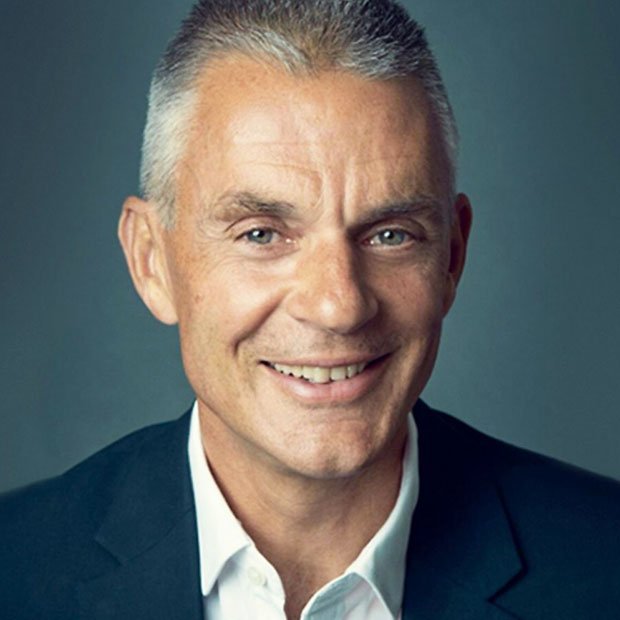
Tim Davie, the BBC’s outgoing director-general, said: “It’s essential that everyone gets value from the BBC, and this groundbreaking partnership will help us connect with audiences in new ways.
“We’re building from a strong start and this takes us to the next level, with bold homegrown content in formats audiences want on YouTube and an unprecedented training programme to upskill the next generation of YouTube creators from across the UK. Importantly, this partnership also allows new audiences different routes into BBC services like BBC iPlayer and Sounds.”
Pedro Pina, VP of EMEA at YouTube, added: “We are delighted to partner with the BBC to redefine the boundaries of digital storytelling. This partnership translates the BBC’s world-class content for a digital-first audience, ensuring its cultural impact reaches a younger, more global audience.
“Beyond the content, our first-of-its-kind training programme represents a deep investment in the UK’s creative pipeline designed to empower the next generation of British talent to lead the global creator economy. In doing so, we are not just telling the stories of today; we are building the stage for the storytellers of tomorrow.”
Back in 2023, then Channel 4 CEO Alex Mahon, who is among the names tipped to succeed Davie atop the BBC, said UK public service broadcasters must work with social media platforms if the traditional TV industry was to “defuse a generational timebomb” in young people’s viewing habits.