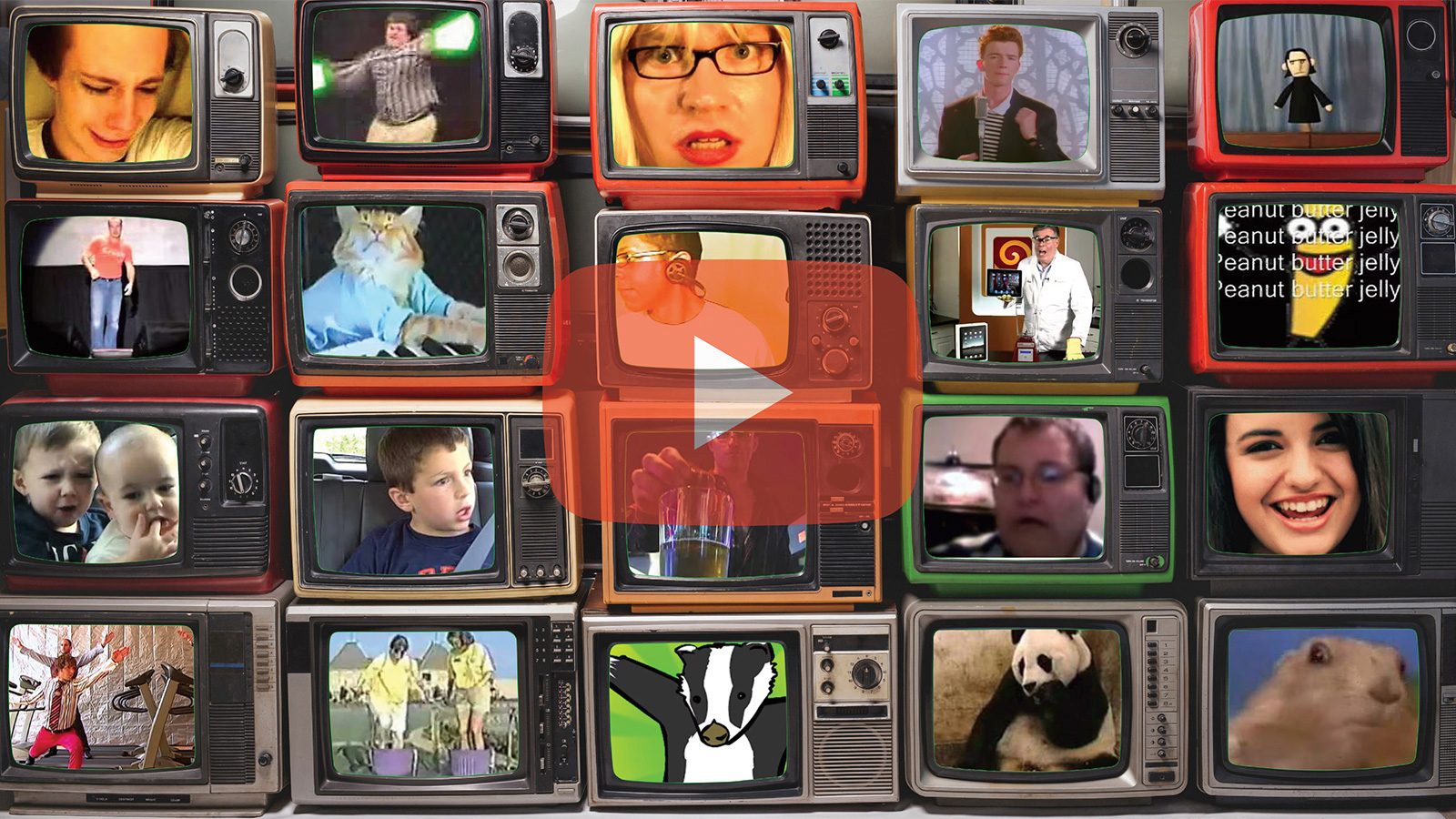

YouTube celebrated its 20th anniversary this year and, under parent Google/Alphabet, has extended its lead as the world’s biggest video viewing platform, initially reviled by TV but today embraced as the number one place for audience engagement. In this first instalment of a two-part introduction to a special series of articles, C21 investigates how YouTube set about building bridges with media companies and the emergence of multi-channel networks.
In September 2008, then ITV executive chairman Michael Grade called YouTube a “parasite” and accused parent Google of “living off” the UK broadcaster’s content.
The following April, Susan Boyle became a household name when a video of her audition for ITV’s Britain’s Got Talent swept the globe; her performance of Les Misérables’ I Dreamed a Dream clocking up 40 million views on YouTube in just four days. If the Scottish singer was unprepared for her overnight superstardom, then so was ITV.
Without the commercial arrangements in place that would have allowed ads to run alongside the clip, neither the broadcaster nor producers Fremantle and Syco made any money from it. Two weeks later, the video broke records after scoring 100 million views and it was around this time that Grade decided to step down. While these events were unrelated, ITV’s inability to capitalise on this early viral sensation could have been read in two ways: a validation of Grade’s “parasite” claim or evidence of a management failure to actively engage with the world’s fastest-growing video platform.
Today, the picture is rather different, with ITV among a rapidly expanding array of broadcasters and TV production companies willing to put full episodes of their shows on YouTube. So how did we arrive at this change?

YouTube founders (L-R) Chad Hurley, Steve Chen and Jawed Karim, the latter presenting its first video: ‘Me at the zoo’
A bit of history
YouTube celebrated its 20th anniversary this February, having been founded in 2005 by former PayPal employees Chad Hurley, Steve Chen and Jawed Karim. The first video, ‘Me at the zoo,’ was uploaded on April 23 that year at a time when Facebook (launched the year before) and MySpace (August 2003 debut) vied for first place as the biggest social network in town. Dailymotion, Bebo and Metacafe all popped up as hopeful contenders.
This was in the days before ‘social media’ was even a phrase. Sure, broadband speeds could handle music and Napster had already wreaked havoc, hastening Apple’s introduction of iTunes, but most of the action back then was around downloads. RealNetworks’ RealPlayer and Microsoft’s Windows Media Player were the two dominant pieces of software that offered the closest thing to streaming, having established an early market lead over Macromedia’s initially animation-based Flash Player (the latter, a browser plug-in versus the other two’s pop-out model, meant it would ultimately triumph, however).
Internet radio was beginning to emerge, in the form of services like Last.fm and Pandora, but for film and TV, the primary concern was fighting peer-to-peer (P2P) file-sharing technology, such as BitTorrent, The Pirate Bay and Megaupload. The concept of legitimate internet video delivery was still largely a (fat) pipe dream. Aside from organisations like the BBC, NBC and CNN making use of either Real or Microsoft to offer news and occasional live sports coverage (think Wimbledon, the Olympics), the TV industry’s embrace of streaming was confined to a few experimental entertainment formats. Notable among these was Big Brother, the pioneering Endemol reality show from which both US broadcaster CBS and Channel 4 in the UK offered 24/7 live camera feeds via their websites. However, these were frequently beset by buffering and blurry images.
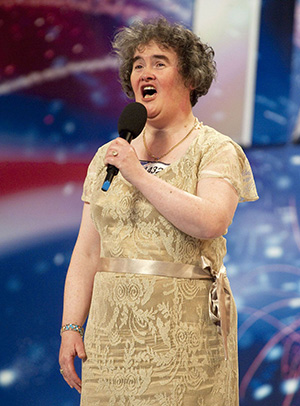
Susan Boyle’s audition for ITV’s Britain’s Got Talent caused a global sensation
Shortform was certainly a thing. AtomFilms, a start-up from Finnish entrepreneur Mika Salmi, had already forged creative partnerships with filmmakers like David Lynch, Tim Burton, Jason Reitman and George Lucas, plus TV firms such as Wallace & Gromit maker Aardman Animations. And in August 2006, just a few months prior to Google’s US$1.65bn acquisition of YouTube, MTV Networks paid US$200m for Atom, while behind the scenes parent Viacom was embroiled in bidding for the bigger prize. The fact it missed out no doubt spurred its decision, in March 2007, to sue both YouTube and Google to the tune of US$1bn for copyright infringement. But by this time, YouTube was experiencing exponential growth, thanks to its integration of Flash and the ability this offered to propagate instant playback video embeds across the web.
The site went from some two million views per day by the end of 2005 to over 100 million at the time of the Google buy-out – a transaction famously branded by one billionaire dot-com veteran as “moronic” but which propelled it past 130 million at the point Viacom launched its litigation.
Six months later, Google introduced Content ID, a system that identified copyrighted videos uploaded by users and gave IP owners the ability to either have these taken down or track their usage. The option to actually monetise this content through a cut of revenue from ads served against it took longer and was only formally introduced in April 2009, around the same time as Susan Boyle’s aforementioned Britain’s Got Talent clip went viral. Indeed, there was resistance within Google early on to the introduction of any kind of advertising on YouTube out of fear it might kill off its new golden goose before it was truly ready to lay eggs.
While Viacom’s case rumbled on in the background and others, including the UK’s Premier League, Italy’s Mediaset, France’s TF1 and the French Tennis Federation, embarked on their own legal proceedings, on the other side of the fence, a growing band of TV companies were keen to explore YouTube’s potential. Indeed, CBS (at the time distinct from Viacom) became the first major player to embrace the platform, forging a partnership with it just nine days after Google announced its acquisition and offering clips of series such as CSI, Survivor, Dexter, Weeds and The Late Show with David Letterman via CBS- and Showtime-branded YouTube channels.
Across the pond, the BBC became the first public broadcaster to buddy up with YouTube, unveiling dedicated channels for its news and public service programming and another for its commercial arm, then called BBC Worldwide (BBCWW). The latter featured clips from shows including Top Gear (among the most pirated programmes in the world at the time) and those of popular series Doctor Who and Planet Earth – all of which have since spawned channels of their own.
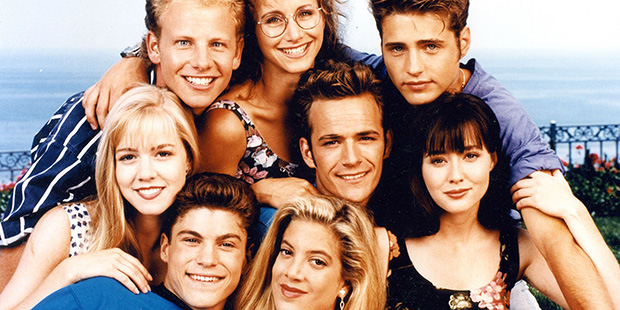
CBS offered clips of series including Beverly Hills 90210 on YouTube from 2008
These CBS and BBC deals were individual bespoke arrangements, with YouTube handling ad sales on behalf of its partners, but they set the template for others to follow. And while there was frustration among some that Google wasn’t introducing ads fast enough, the list of ‘traditional media’ allies began to mount. Italian pubcaster Rai followed the BBC’s lead in 2008 while FremantleMedia signed a global pact with YouTube at about the same time, although due to issues around talent and music clearances and broadcaster rights the agreement didn’t allow the company to cash in on the Britain’s Got Talent ‘SuBo’ explosion the year after.
2008 also saw YouTube up the ante, for the first time striking licensing deals for full-length TV episodes so it could further prove its credential, with CBS again a willing guinea pig, offering instalments of series including Star Trek and Beverly Hills 90210. Others, such as National Geographic and Discovery, followed, while all the major US studios – MGM, Lionsgate, Sony Pictures, Warner Bros, Paramount, Disney, Fox and Universal – soon offered movies either via their own ad-supported channels or on a transactional basis as YouTube began to test out video rentals.
BBCWW expanded its YouTube pact in 2009 to include some full episodes geo-blocked for access outside the UK only (so as not to compete with the BBC’s licence fee-funded iPlayer), while back home, commercially funded pubcaster Channel 4 (C4) did the reverse and became the first to offer shows in their entirety on its home turf. Series such as Skins, Peep Show, The Inbetweeners and Hollyoaks all joined the C4 YouTube channel line-up, run in concert with its own standalone 4oD service, with the network also establishing a precedent in gaining the right to handle its own ad sales on the platform – something YouTube was willing to offer as it faced mounting competition.
This was a time of unprecedented upheaval in the transatlantic TV business. The Flash video inflection switch that YouTube had flipped and the rapid shift from dial-up to broadband internet meant the threat of film and TV piracy was on track to reach fever pitch. Napster-like levels of business model obliteration lay ahead unless purveyors of such content either actively engaged with tech companies offering legitimate solutions or else came up with their own.
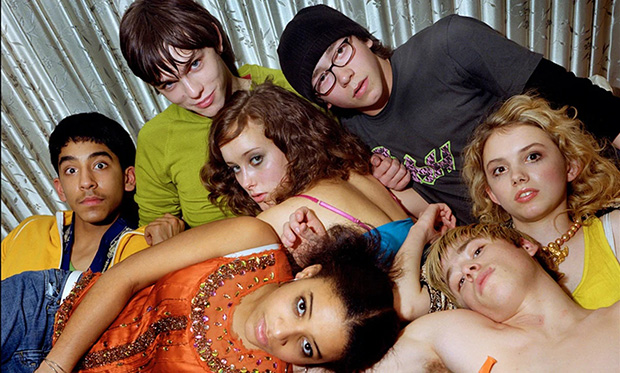
Channel 4 was the first broadcaster to offer shows in their entirety on its home turf, such as Skins
Joost, originally nicknamed The Venice Project, was dreamed up by Skype and Kazaa founders Janus Friis and Niklas Zennström, and even secured deals with CBS, Viacom and Warner Music, but its reliance on P2P and the growing determination among some US studios – namely NBCUniversal and then Fox owner News Corp – to develop the joint-venture service Hulu put paid to the start-up.
In the UK, meanwhile, BBCWW, ITV and C4 were in talks over their own VoD collaboration, dubbed Project Kangaroo, but this eventually fell foul of industry regulators. While Hulu saw the disarray as an opportunity to secure a UK foothold, pursuing a joint venture with ITV, C4 opted to ally with YouTube instead, precisely because the deal allowed it to retain control of its own ad sales. This was something ITV was not willing to give up in negotiations with Hulu, so that JV never materialised. C4’s original YouTube deal gets somewhat lost in the mists of time, but it was pioneering and ran for around four years, until new management decided to try to bring online viewership of its shows back within its 4oD service, later rebranded as All4.
By October 2009, YouTube had reached one billion daily views, rising to two billion in May 2010, three billion a year after and four billion just nine months after that.
The MCN era
Something else was happening in the meantime, with a string of start-ups – some backed by media veterans – springing up, all with the ambition of creating their own shortform YouTube programming. These included Next New Networks, launched by, among others, former MTV and Nickelodeon execs Fred Seibert and Herb Scannell. There was Funny or Die, founded by Will Ferrell and Adam McKay, Revision3, My Damn Channel and Machinima, all in the US, while the UK had ChannelFlip, a comedy-centric YouTube-native content business that was later acquired by Shine Group, and boutique talent agency Gleam Futures.
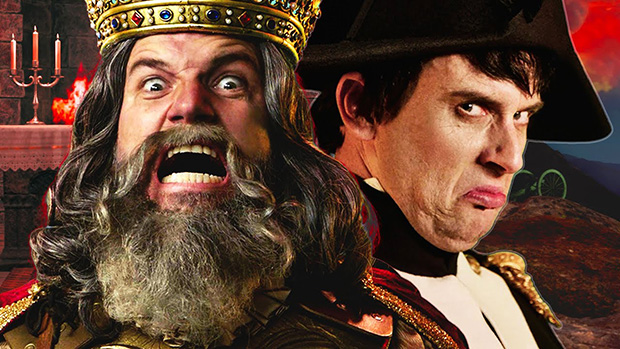
Maker Studios’ YouTube stable included Epic Rap Battles of History
Alongside these, an array of multi-channel networks (MCNs) began to percolate – companies focused on corralling YouTube’s most successful individuals as the concept of ‘influencers’ began to gain traction but the ‘creator economy’ was not yet a thing.
The aim of the likes of Maker Studios, Fullscreen, BroadbandTV and ProSiebenSat.1’s Studio71 was to sign up as many online stars as possible on multi-year contracts, help them elevate their ‘user-generated content’ and develop commercial models around it, in return for a slice of ad revenues. Felix Kjellberg, better known as PewDiePie, quickly rose to claim YouTube most-subscribed channel in the world and was the crown jewel in Maker’s stable alongside hit series like Epic Rap Battles of History, with former Endemol chairman and CEO Ynon Kreiz at the helm, while Fullscreen championed the likes of comedian Grace Helbig and received backing from former News Corp president Peter Chernin.
Other companies, such as MyVideoRights (also backed by Chernin and shortly after rebranded Base79), centred more on using the site as a means of monetising existing TV and film clips, partnering with IP owners to facilitate this. Little Dot Studios, incubated within All3Media in the UK, was a later example, debuting as the YouTube channels management space continued to explode through the first half of the 2010s and genre specialists like StyleHaul, Tastemade and AwesomenessTV joined the party.
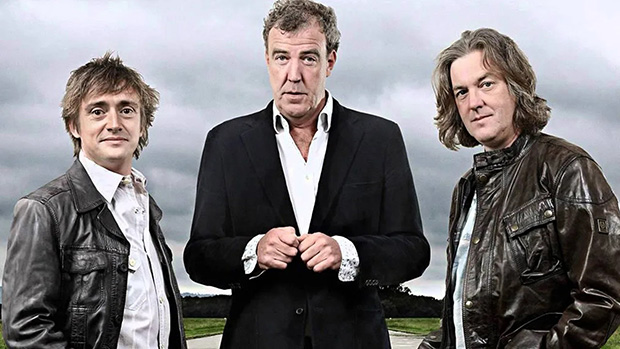
BBCWW’s Top Gear was one of the most pirated shows on YouTube in its early days
Many of these were ultimately acquired by larger traditional media entities keen to have their own slice of the sector, with Fremantle parent RTL Group taking stakes in BroadbandTV and StyleHaul; Studio71 buying into Collective Digital Studios; DreamWorks snapping up AwesomenessTV; Discovery taking over Revision3; Warner Bros investing in Machinima; and Disney paying upwards of US$500m for Maker Studios.
This last transaction represented the high-water mark in the MCN market and in the latter half of the decade most were either absorbed into their new owners’ broader operations or else faded.
Managing and monetising thousands of channels, plus a tightening of YouTube partner policies and algorithmic shifts, hit the sector, while high-profile bust-ups were bad for business, most notably Maker severing ties with PewDiePie and YouTube pulling his ads following several videos perceived as being anti-Semitic. Kjellberg and others were publicly critical of the MCN model too and just a few months after their spat, the Mouse House folded Maker within Disney Digital Network, a division that was itself subsequently closed.
In part two of this report introduction we will explore the twists and turns of YouTube’s original programming strategy and how, while it no longer commissions shows, it invests more in non-sports content than Netflix.