Yahoo, Nonfiction Hotlist pair for shortform doc initiative
By Clive Whittingham 27/02/2026
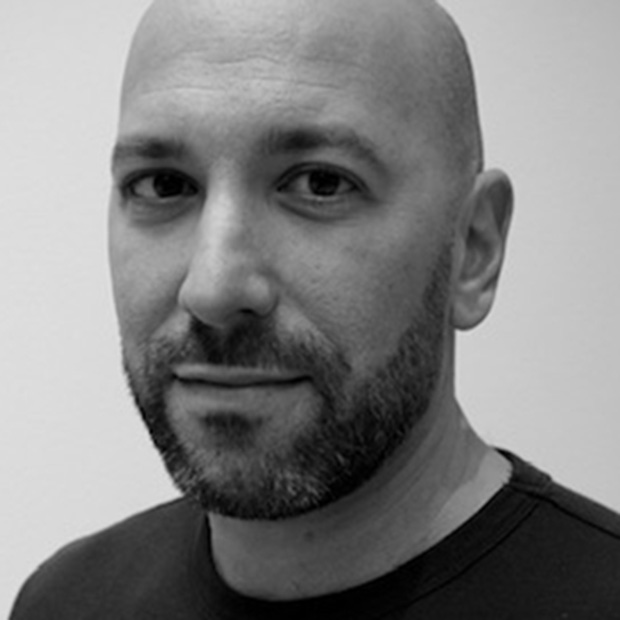
Adam Neuhaus, former senior director of development at ESPN Films and CEO and co-founder of The Nonfiction Hotlist, discusses his shortform doc funding and distribution initiative with Yahoo Media Group.
Yahoo Media Group and The Nonfiction Hotlist have partnered to expand the reach and recognition of a select crop of documentary short films, tell us about it.
The Nonfiction Hotlist has partnered with Yahoo Media Group to curate and distribute 20 exceptional documentary short films to a global audience. We’re reviewed hundreds of projects, to identify films that deserve far wider exposure than the traditional festival circuit offers. Yahoo brings the distribution scale; we bring the curation credibility and the filmmaker relationships. The initiative is targeting a Cannes Lions 2026 launch, which felt like the right moment to introduce this model to the industry at large.
What sort of films are you looking for?
We’re focused on non-fiction short films, and we use the word “non-fiction” deliberately, because we think that framing opens up creative territory beyond the traditional documentary form. We’re looking for work that is cinematically ambitious, emotionally resonant, and rooted in a specific point of view. The films that excite us most tend to be crowd pleasing and we’re less interested in issue films that lecture, we want stories that pull you in as cinema first. Our submission portal has already surfaced remarkable work, and frankly, the depth of talent out there waiting for exactly this kind of opportunity has been one of the more affirming things I’ve experienced in a long time.
Filmmakers can submit their projects for consideration in the following six categories: sports and athleticism; business and economics; science, innovation and technology; nature and environment; arts and culture; and biography and lifestyle.
What sort of cash is on offer?
Filmmakers are being compensated through licensing fees, not prizes, not honorariums, not exposure in lieu of payment. That distinction matters enormously to us. We structured the deal specifically so that creators receive fair market compensation for their work, with clear terms around rights and exclusivity. Films will get US$5,000 fee for a two-year digital exclusive and two year digital non-exclusive with a revenue share of Yahoo’s YouTube posting. We wanted to demonstrate from the start that “sustainable model” isn’t just language, it has to show up in the contracts.
Where and when will they air?
The films will be distributed through Yahoo’s media properties, giving them genuinely global reach across one of the world’s largest digital audiences. The initiative is targeting a Cannes Lions 2026 launch, and we’ll be announcing distribution specifics in the lead-up to that. What I can say is that Yahoo’s scale means these films will reach audiences well beyond the documentary community, which is exactly the point. The work we’re curating deserves to be seen by people who didn’t already know to go looking for it.
Why are initiatives like this important?
The festival circuit is extraordinary at creating moments of recognition, but it’s a terrible distribution system. A film can win awards, generate real buzz, and then disappear. There’s no sustainable pathway from “exceptional short documentary” to “meaningful audience.” What Yahoo and the Nonfiction Hotlist are building together is a proof-of-concept for a different model, one where corporate partners with genuine distribution scale work with credible curators to bring non-fiction work to mainstream audiences, and where filmmakers are compensated fairly along the way. Together with Yahoo, we can give these films meaningful global exposure and create the exact kind of pathway the industry needs right now. This is about building sustainable new models where exceptional non-fiction finds its audience.
What are the biggest challenges facing this part of the industry right now?
Honestly, there are three that keep coming up. The first is the collapse of mid-tier commissioning, the broadcasters and streamers that used to fund ambitious short-form nonfiction have largely pulled back, which has left an enormous talent pool with nowhere to go. The second is the prize economy problem: too many “opportunities” for filmmakers are structured as competitions that pay one winner and extract enormous time and creative energy from everyone else. That’s not a model, it’s a lottery. And the third is discoverability, even when exceptional work gets made and gets seen at festivals, there’s only a few reliable infrastructure places to get it in front of the audiences who would genuinely connect with it. All three of those problems are exactly what this initiative is designed to address.
Is there light at the end of the tunnel in 2026 after a bleak couple of years?
I think 2026 is a genuinely fascinating moment, and not just because I’m biased toward optimism. The contraction has been real and painful, but it’s also forced a necessary reckoning with which models were sustainable and which were just running on streaming-era money that was never going to last. What I’m seeing now is serious corporate interest in non-fiction content as a brand and audience-building tool and if that interest can be channelled through rigorous curation and fair filmmaker compensation, it creates something durable. The Yahoo partnership is one example, but we’re having similar conversations across multiple sectors. The talent is there. The audience appetite is there. The gap that’s closing is the infrastructure to connect them.
Yahoo will promote and distribute 20 short films curated by The Nonfiction Hotlist following an open call to filmmakers, who have until March 6 to submit their short docs.