Sky’s new clean energy system on site at Elstree
A number of leading players in the UK film and TV industry today announced their commitment to replace polluting fossil fuel generators used in the production of film and TV with clean solutions within the next five years.
Signatories to the statement of intent to phase out fossil fuel generators for productions by 2030 include the BBC, BBC Studios, ITV, ITV Studios, Channel 4, Sky, UKTV, Netflix, Fremantle and Universal International Studios, alongside producers’ trade body Pact, and film and TV body the BFI.
BAFTA albert, the screen industry initiative for environmental sustainability, is also a signatory and today published a roadmap on how to shift to clean, sustainable production alternatives, titled Spark: Clean Temporary Power by 2030.
According to the signatories, the practice of using fossil fuel generators to power productions “has been among the most environmentally damaging aspects of film and TV production – directly contributing to carbon emissions, noise pollution and poor air quality.”
In 2024, UK productions burned over three million litres of fossil fuels in generators, and more than half of all productions relied almost entirely of fossil fuels, according to data reported through the BAFTA albert calculator from over 2,500 film and TV productions.
The BBC said it was already working towards clean temporary power for its productions by prioritising mains, batteries and renewables when recording or broadcasting at locations outside of its buildings.
Last month Sky unveiled a zero-emissions mobile energy system developed by its own engineers that uses green hydrogen and sodium battery systems that can be used in place of diesel generators for both studio shoots and location filming. It is currently running live trials of the hybrid unit at its Sky Studios Elstree facility.
BAFTA albert’s roadmap recommends transitioning via hybrid generators and hydrotreated vegetable oil (HVO) fuel, and by phasing in grid power, battery power and other clean technologies. It also identifies cutting energy demand through efficient planning and equipment, as well as reskilling production teams, as important steps towards reaching the goal.
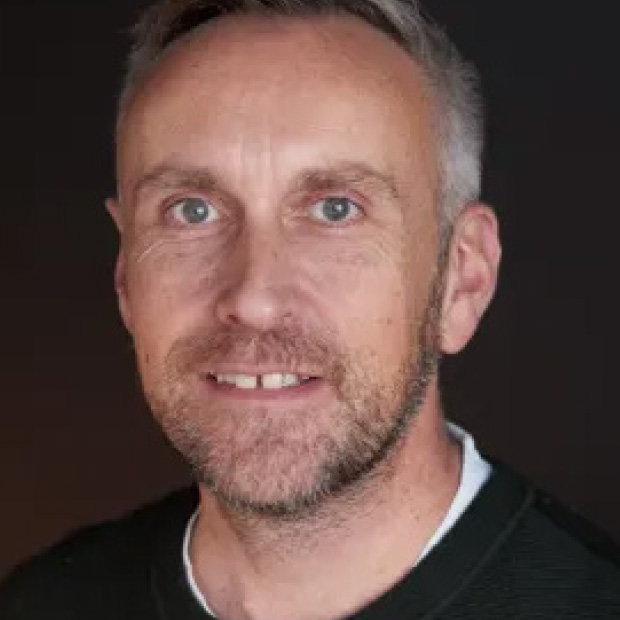
Matt Scarff
Matt Scarff, BAFTA albert’s managing director, said: “The first tranche of signatures on the Clean Temporary Power by 2030 Industry Statement of Intent is testament to how seriously the UK film and TV industry takes its responsibility to produce sustainable screen content.”
“This statement of intent is a significant step to decarbonising our productions’ operations as part of our commitment to building a sustainable BBC and wider media industry,” said BBC sustainability officer Danielle Mulder.
Jeremy Mathieu, ITV’s head of sustainability, added: “Collaboration and transition planning are key to unlocking the innovation that will lead to a thriving and sustainable creative sector. ITV and ITV Studios are fully committed to this collaboration, working closely with BAFTA albert, our peers and suppliers to move from commitment to action and to transform the industry for the better.”
The Spark report is available to download here.