How unscripted's past can guide its future
By Nicholas Sercombe
13-04-2026
The Harry King TV founder and CEO looks at what lessons can be learned from history when trying to create new formats for a challenged market in 2026.
When we create a new unscripted format, we try to pinpoint an area of specific interest and look at current trends, as well as trying to foretell or shape the future.
Creating unscripted formats is like having a hobby, but the difference is that this is no pastime; it must make money. “Television is always a compromise!” was what I was told by my first EP in the industry, and production budgets have failed to expand with the times. It is essential, therefore, for the producer to exploit the format through export.
When thinking about creating a new unscripted show, we first must look at history. When I cast my mind back to what we were fed in daytime schedules, my first memories are of the afternoon, and sometimes lunchtime, chat shows.
Ask Aspel was charming, but the title was a complete misnomer, as it was Michael Aspel who was asking the questions. In the 1980s, there was Kilroy. Robert Kilroy Silk, the housewife’s favourite – along with Lester Piggott – who slipped his way into peoples’ living rooms with the suaveness of a suede loafer. Later, there was the cheeky Brian Conley, one of the few entertainers who can sing and dance and tell gags, an all-round entertainer. But just like his sporting equivalent, Ian Botham, he wasn’t quite so good at interviewing celebs. Nigella was interviewing and cooking at the same time, and Today with Des and Mel was the hit vanguard to Loose Women.
But could there be a daytime chat show in 2026? I am always told the magazine show genre is dying and, having caught five minutes of a primetime format in the shape of The Jonathan Ross Show last weekend, I am convinced that is correct. But no, this is a non-exportable format, so it holds little value to a producer.
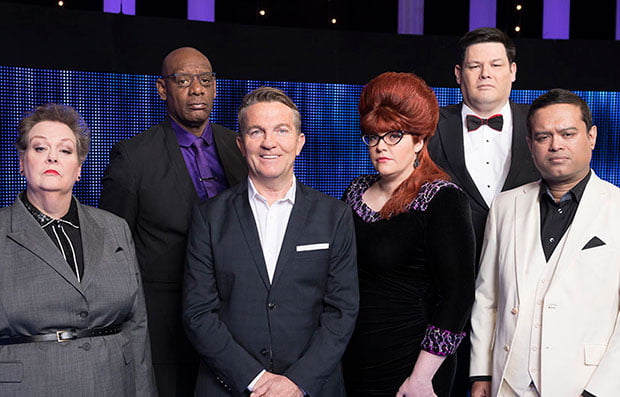
The UK version of The Chase
And what about quiz shows? These have been a much safer and more profitable option for broadcasters and producers alike due to these sorts of formats being eminently exportable. Historically, there is a pantheon of daytime quiz shows so large that their names alone could cover Mount Olympus: Going For Gold. The Time, The Place. Win Lose or Draw. The Weakest Link. The People Versus… Yet none of them compare with The Chase, arguably one of the best game shows on television, and not only due to the magnificent Bradley Walsh, but to the format itself. I would love to have created the format, which has been sold all over the world. The quiz show formats make money – and will always continue to do so.
Back in the mid-1990s, my old friend Roger kept bending my ear about pitching property shows. Such was the banal mediocrity of buying a house; no broadcaster would touch such a format. I know, I tried. The reaction to a property pitch was the same as fishing – everybody did it, but neither audiences nor the fish were interested. It was Peter Bazalgette who convinced everybody’s auntie there was value in a garden makeover show. Once Pandora’s Box had been opened, the daytime schedules were crammed with makeover formats, whether that be smashing up the attic, the cellar and the pile of rubble at the bottom of the garden. But is it always important to sit down and ask if this would be of value to a producer. I would argue that it does, just look at Alan Carr and Amanda Holden moving into primetime budgets as they make their way around Europe. Yes, there is money in property shows, but domestically.
My favourite unscripted formats revolve around antiques (and their allotropes). Things have moved on since Going For A Song led the way and Arthur Negligée – Arthur Negus to his friends – wafted onto the set to throw the audience words of wisdom about Chippendale cabinets. The Antiques Roadshow is the beast of them and the second oldest in this genre. It has led the way for many spin-off formats, too many to list here. I created one myself, and then I ran into Raj Bisram who had a new antiques format up his sleeve. We put our heads together, added a secret ingredient from Germany, and created Curiosity, which disrupts the armchair approach to antiques. I can say no more until we publish, but we have pre-sales in various territories from West to East, so this style of television has the potential for export.
It is being appreciated in the UK of course – the home of Antiques Roadshow, Cash in the Attic and their various cousins – but we’re surprisingly sought after in other locations where the adaptable format points can work for different reasons in each region. Hosts can be swapped and changed, channels with daytime slots can leave their mark on it. Time will tell but its promising.
As for the future, I reckon major unscripted light entertainment formats such as Race Across the World and The Masked Singer have their place in linear primetime schedules, but as soon as you go off-piste into the soft underbelly of unscripted day time and early evening television the budgets are smaller – so the innovation is naturally greater, and the future is brighter for those that create them.