Hot spots: 12 of the top international locations for production
C21 highlights 12 hot international locations for film and TV production, detailing what they have on offer in terms of facilities and tax incentives and recent productions they have hosted.

Georgia, US
The US state has transformed into America’s production powerhouse outside California, earning its ‘Hollywood of the South’ designation through aggressive incentive programmes and infrastructure investment, luring many so-called runaway productions over from the real Hollywood.
Georgia delivers geographic versatility – Atlanta’s modern urban environments, rural southern landscapes and coastal settings – allowing it to double for numerous other locations. An established crew base trained on successive major productions provides the technical expertise that once existed only in LA and New York.
Productions can access transferable tax credits totalling 30% through a tiered structure: 20% base rate plus 10% for incorporating Georgia promotional elements. The programme uniquely has no annual cap and operates without sunset provisions, providing long-term certainty. Starting January 2026, post-production receives separate incentives at 20% to 30%, depending on whether the underlying production also filmed in the state.
Trilith Studios, Tyler Perry Studios, Shadowbox Studios and Assembly Atlanta collectively provide millions of square feet of stage space. Notable productions include Stranger Things’ final season (pictured), ABC’s Will Trent S3, Netflix’s Cobra Kai S3 and Apple TV’s Cape Fear, starring Amy Adams and Javier Bardem.

Honolulu, Hawaii (US)
Hawaii provides authentic Pacific Island environments within US domestic filming frameworks. Tropical landscapes, beaches, volcanic terrain and rainforests serve productions requiring paradise settings. Hawaiian culture adds authentic flavour, with local casting and consultants available. Productions avoid customs complexities while achieving visuals that are unavailable in the rest of the US.
The two-tier structure provides 22% credits on Oahu (including Honolulu) and 27% on neighbouring islands. Minimum spend requires US$100,000 in-state and there are caps of US$17m per project and a US$50m annual statewide limit. Industry advocates continue pressing for increased funding, including an additional 5% uplift if local hiring minimums are met, an increase to the per-production cap.
Hawaii Film Studio at Diamond Head is the main facility in the 50th state. A leased Navy warehouse in Kalaeloa provides additional space. Recent productions include Disney’s live-action Lilo & Stitch, as well as Temptation Island, Chief of War, The White Lotus (pictured) and Fox drama Rescue: HI-Surf.

Iceland
Iceland provides unique landscapes impossible to replicate – volcanic terrain, glaciers, black sand beaches and geothermal features. The country functions as a natural backlot with dramatic locations accessible via paved roads. Extended summer daylight maximises shooting hours, while winter provides authentic Arctic conditions.
All qualifying projects receive 25% cash rebates regardless of budget. Productions meeting enhanced criteria access 35% rebates: minimum US$2.5m spend, 50-plus employees and 30-plus working days in-country. Rebates cover sales taxes, customs taxes and taxes on international crew salaries.
RVK Studios has three soundstages outside Reykjavík and has inked a deal with production services company Truenorth to build four new studios in Gufunes. Other options include Aurora Studio and Fossa Studios. Iceland’s model emphasises location filming, with specialised expertise in challenging conditions. Recent productions include HBO’s True Detective: Night Country (pictured), The Northman, Netflix’s The Valhalla Murders and SkyShowtime’s The Darkness.

Jordan
Jordan offers landscapes genuinely unlike anywhere else on Earth – Wadi Rum’s desert has portrayed Mars and alien planets, while Petra’s ancient architecture provides ready-made historical settings. Compact geography means dramatically different environments within short distances. Sophisticated production services have been developed through major international projects, while political stability and government support create secure filming environments.
The enhanced programme provides 25-45% cash rebates via points-based assessment. Productions exceeding US$10m spend and incorporating Jordanian cultural elements qualify for maximum 45% rebates. The programme includes three tax-exemption categories: sales taxes on local purchases, customs taxes on imported equipment, and taxes on international crew salaries.
Olivewood Studios near Amman features two soundstages of more than 16,000 square feet, a 16-acre backlot, production buildings and basecamp facilities. Recent productions include Dune: Part Two, Seal Team (pictured) and Netflix’s AlRawabi School for Girls (entirely Jordanian-produced). Filming of The Martian in Wadi Rum subsequently quadrupled tourism in the region.

London, UK
The UK’s production ecosystem combines deep technical expertise with world-class infrastructure. London’s historic architecture and surrounding countryside provide versatile locations, while the concentration of specialised craftspeople – from costume designers to VFX artists – supports productions at any scale. Excellent transport links facilitate logistics across the region.
High-end television qualifies for credits up to 25% of qualifying British expenditure. Features access tiered relief, with first-time productions under £15m (US$19.57m) claiming up to 53% of qualifying costs. Major studios benefit from 40% business rates relief over 10 years. Productions must pass British Film Institute cultural tests.
Pinewood Studios is completing an £800m expansion expected to create 8,000-plus jobs. Shepperton expanded in March 2024, with Amazon MGM Studios and Netflix securing long-term space. Disney maintains permanent Pinewood arrangements. Newer studios in and around London have opened in recent years, such as Shadowbox Studios Shinfield, Eastbrook Studios, Silvertown Studios and The Wharf Studios, while Gillette Factory Studios and Camden Film Quarter are in development. Recent productions include HBO’s Succession, Netflix’s The Crown (pictured), continuing Marvel content and – of course – the James Bond films.
Los Angeles, US
After the impact of the strikes, wildfires and the end of peak TV, LA is working to rebuild its position as the global entertainment industry’s centre, emphasising its unmatched institutional knowledge and creative talent concentration. The region provides access to top-tier cast, directors, cinematographers and specialised craftspeople. Post-production infrastructure exceeds anywhere globally in capacity and expertise. Southern California’s geographic diversity allows filming beaches, mountains, deserts and urban environments within a day’s drive.
In an attempt to curb runaway productions, California dramatically expanded its incentive programme in 2025. Effective July 1, the annual cap increased from US$330m to US$750m. Qualified productions now access refundable credits at 35-40%. Eligibility expanded to include animated content, large-scale competition shows and under 30-minute episodes. Additional 2-5% bonuses apply for relocating to California, targeted hiring or filming outside the LA studio zone.
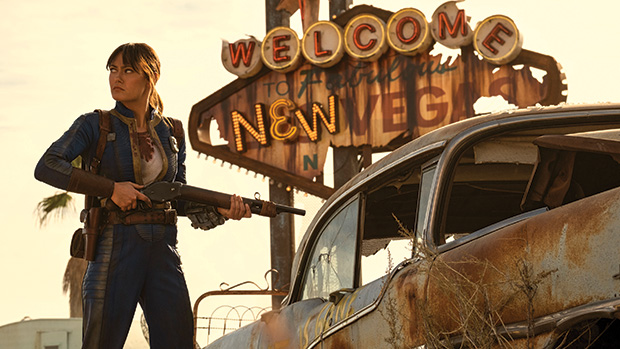
Major studios like Warner Bros, Universal, Paramount and Sony Pictures collectively operate millions of square feet in the city. Recent productions include Amazon’s Fallout S2 (pictured), The Studio (Apple TV), NCIS: Origins, Kenya Barris’s Group Chat and Heat 2.
 New Jersey, US
New Jersey combines New York proximity with significantly lower costs and competitive incentives. The state offers diverse locations, from urban environments to shore communities and rural areas. Recent infrastructure investment, particularly Netflix’s commitment, signals transformation into a production hub rather than satellite location.
Base credits reach 30-35%, with digital media post-production accessing 40%. The Film & Digital Media Tax Credit Program extends through June 30, 2039. Studio partners committing to facility occupation of 10-plus years access enhanced benefits.
Netflix’s US$900m Fort Monmouth facility, currently under construction, encompasses 292 acres with 12 soundstages, extensive backlots, offices and post-production facilities, totalling over one million square feet. Full operations begin 2028. Recent productions include The Beast in Me (pictured), The Watcher, The Perfect Find and A Complete Unknown. Netflix had seven concurrent productions filming in-state as of mid-2025.
 New York, US
New York provides authentic urban environments that are impossible to recreate – the city looks like itself. Beyond Manhattan, five boroughs offer diverse neighbourhoods and architectural styles. Infrastructure has matured over the decades, with experienced urban filming crews. The state provides both city and upstate rural locations.
New York implemented major enhancements in 2025, nearly doubling production funding. The annual cap increased to US$800m, with US$100m reserved for independents. Base credits remain at 30%, with an additional 10% for upstate filming. The new Production Plus Program provides 10% uplifts (reaching 40% in NYC) for high-volume producers demonstrating US$100m-plus combined spending through 2028. Per-person above-the-line caps were removed and payout timing has been accelerated significantly.
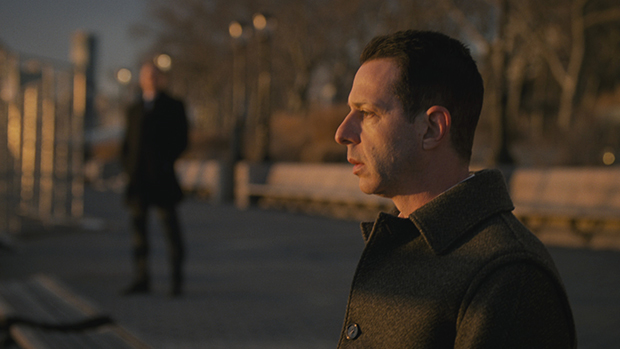
Silvercup Studios hosted The Sopranos, Sex & the City and 30 Rock, while recent infrastructure additions include Pier 94, East End Studios, Wildflower Studios and Borden Studios. Recent productions include Succession (pictured), And Just Like That, the FBI franchise, Evil and multiple Law & Order series.
 New Zealand
New Zealand’s epic storytelling reputation, established through the Lord of the Rings and Avatar movies, has created a production culture oriented toward ambitious projects. The country’s landscape diversity – mountains, coastlines, forests, plains – exists within manageable distances, and crews possess particular expertise in large-scale practical effects and location-intensive work.
New Zealand productions and official coproductions access 40% cash rebates on qualifying expenditure. International service productions receive 20% base rebates, with potential 5% uplifts for demonstrating significant economic or cultural benefit. Rebates come as cash grants rather than tax credits.
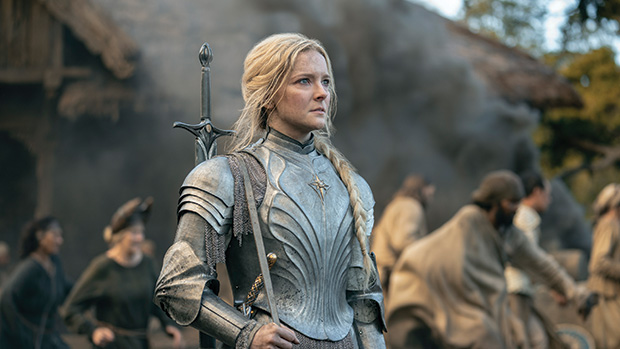
Wellington’s Stone Street Studios maintains proximity to Weta FX, among the world’s premier VFX companies. Auckland Film Studios, Remarkable Studios and Kumeu Film Studios provide additional capacity, while Lane Street Studios is under construction. Recent productions include Apple TV’s Chief of War, Spartacus, Warner Bros’ A Minecraft Movie and Amazon’s The Lord of the Rings: The Rings of Power (pictured).
 Sydney/Gold Coast, Australia
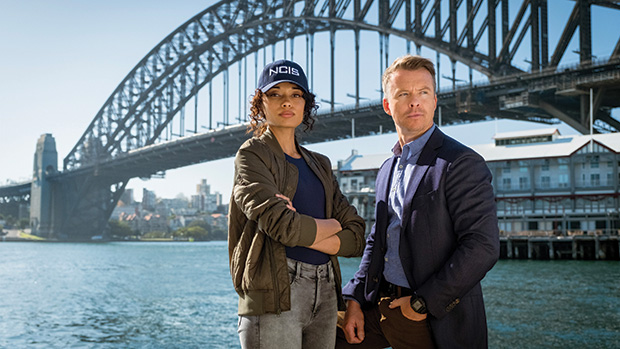
Australia delivers dramatic natural diversity, from Sydney’s harbour to Queensland’s tropical coast and the outback interior. Heavy infrastructure investment following major productions has created world-class facilities. The time zone facilitates Asian market collaboration while maintaining workable LA communication windows.
The Location Offset provides 30% rebates on qualifying expenditure for projects commencing after July 1, 2023, with no annual caps or sunset dates, providing long-term certainty. States supplement federal programmes with additional incentives that can be stacked together.
Disney Studios Australia, Village Roadshow Studios, Docklands Studios, Adelaide Studios and Screen Queensland facilities serve different regional markets. Victoria invested more than A$12m (US$7.71m) in NantStudios’ construction of the world’s largest permanent LED volume system at Docklands Studios.
New studio developments include Oran Park Studios, Central Coast Studios, SBS Production Hub and Sydney Studios. As part of a A$380m screen and digital games package in the NSW budget, A$100m is being allocated to help fund a second major studio in the Sydney region. Recent productions include Thor: Love & Thunder, Elvis, the Aquaman franchise and Netflix’s Heartbreak High.
 Toronto, Canada
Toronto functions as Canada’s production capital, with comprehensive infrastructure and genuine urban authenticity. The city’s architecture spans different eras, doubling for various US cities while also providing distinctly Canadian settings. Cultural diversity supports authentic casting, while Toronto’s position as a financial centre ensures production financing access.
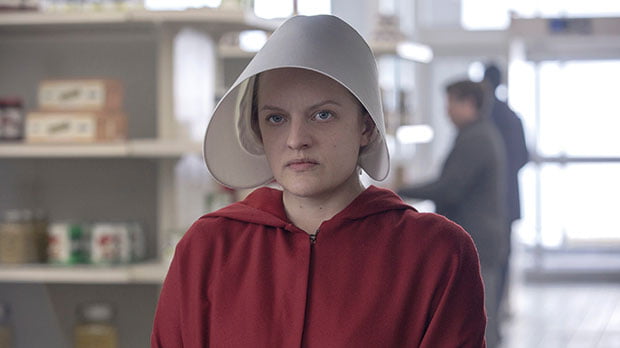
Productions access federal credits at 25% of qualified labour expenditure, supplemented by Ontario provincial incentives. The province is expanding infrastructure significantly, with 1.6 million square feet under construction, raising total capacity from 3.85 million to 5.45 million square feet. Pinewood Toronto Studios and Cinespace Film Studios anchor existing facilities. Recent productions include Star Trek: Discovery and The Handmaid’s Tale (pictured).
 Vancouver, Canada
Vancouver’s versatility allows it to substitute for numerous North American cities, supported by decades of infrastructure development and crew training. Favourable exchange rates effectively stretch budgets, while geographic proximity to LA simplifies executive oversight. The region offers everything from urban settings to pristine natural environments and has benefited from many runaway productions looking to escape Hollywood.
British Columbia increased its basic tax credit from 35% to 40% for productions beginning after January 1, 2025. International service productions access 36% credits. These provincial incentives stack with federal programmes providing 25% of qualified labour costs for eligible domestic content.
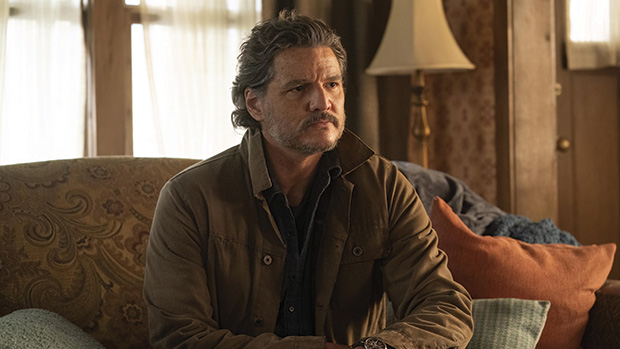
The region operates 2.9 million square feet of current soundstage space, with 1.04 million square feet across 50 stages opening in 2025. Bridge Studios’ Lake City Studios campus has become Canada’s largest facility, with 21 purpose-built stages. Notable productions include HBO’s The Last of Us S2 (pictured) and Murder in a Small Town.