Kwai Brazil taps the microdrama trend
By Louise Bateman 22/01/2026
CONTENT AMERICAS: Shortform streamer Kwai Brazil is using branded programming and AI to supplement its original vertical content, according to general manager and Content Americas speaker Claudine Bayma.
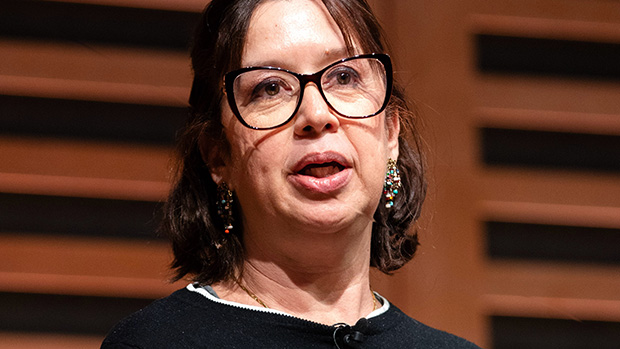
Claudine Bayma, general manager of Kwai Brazil
Shortform storytelling is booming at the moment, and Claudine Bayma, general manager of Kwai Brazil, is at the creative vanguard of this rapidly expanding market.
Kwai Brazil is part of Chinese short video giant Kwai, which was founded in China in 2011 as a mobile app that allowed users to create and share animated GIFs. With 700 million daily active users in China today, the Kuaishou Technology-owned platform has grown into a veritable internet behemoth that competes with TikTok in its home market through live streaming, e-commerce as well as microdramas.
Having identified Brazil as a market where it could replicate its Chinese content strategy aimed at predominantly blue-collar workers in more rural areas, Kwai Brazil launched as an app for creating and sharing shortform videos in Latin America’s largest entertainment and media market in 2019.
By 2025, Kwai Brazil was attracting over 60 million monthly active users and 32 million daily users, with users spending an average of 75 minutes per day on the platform.
Bayma joined Kwai Brazil in 2021 initially as its head of marketing and branding. The exec who had previously seen stints at companies such as Sony, Discovery and Globo International was promoted to general manager in 2022, after which she has been spearheading its innovation drive in shortform content. This includes initiatives such as TeleKwai, a feature within the app that focuses on shortform telenovelas or miniseries inspired by everyday life.
Launched in 2022, Telekwai now spans more than 100 vertical miniseries with episodes up to two minutes long, created by producers in Latin American, including Endemol Shine and Porta dos Fundos.
Each title attracts an average of around five million views, Bayma told C21 last year: “TeleKwai [programmes] are short fiction formats either in series or soap opera format in any genre, from science fiction to romance, horror to drama, and they’re all originally produced in Brazil.”
Under Bayma’s leadership, the platform has been exploring other formats, too, including original reality shows, native creative shorts and talk shows. These include culinary reality show Kwai Chef, produced by digital media company Tastemade Brasil, as well as “extended content” around Brazil’s number one reality show for the past 25 years, Big Brother.
“We don’t have the licence [to Big Brother],” Bayma explained in a session on vertical platforms at Content London last month. “But we have a whole community hungry for more content, hungry to know more about the participants, their background, who is their family, what does their mum think about them, how was their childhood, how was it at school?
“What we do is create extended content. What does that mean? Reality shows or talk shows that will bring all this information and drive communication, drive talkability on social media.”
The platform prioritises integrated content experiences that go beyond just watching, encouraging user participation through filters and features such as “magic faces”, which allow users to create their own content based around Big Brother.
“This way [the user] feels part of the show,” she noted, adding: “People on mobile phones, they don’t want to just sit down and just watch [content]. They want to be part of the narrative. They want to participate; they want to engage.”
Bayma emphasises that Kwai’s content strategy focuses on storyline and engagement rather than high production quality, noting: “It’s more about the storyline and how intriguing, interesting, exciting it is, because you have three seconds to hook the viewer”.
Kwai Brazil uses three different models to produce and finance its shows. For editorially important shows, it fully finances its content, according to Bayma. The second way is brand-financed shows, and thirdly it has content produced by artificial intelligence, using Kuaishou Technology’s AI capabilities. This could be a fully produced show using AI or one that uses AI to dub Chinese-language Kwai original content.
Without revealing the budgets for its short video content, Bayma emphasises that as a digital platform using algorithms, there’s a need for scale and volume, over cost. “Nothing can be too expensive,” she says.
The exec maintains what’s more relevant for Kwai Brasil is its storylines and how intriguing and exciting the content is over production quality, since shows have only three seconds to hook viewers.
Unlike subscription-based competitors, Kwai operates on a free-to-user model, generating revenue through ads and branded content. It creates brand placements and can build entire storylines around brands or brand messages, having produced microdramas for major brands such as Coca-Cola, PepsiCo and Honda.
The platform, meanwhile, operates a creative marketplace with over 5,000 content creators, earning commissions from advertising and commercial content created on the platform. Additionally, it has an integrated marketplace for e-commerce, allowing brands to integrate narratives with product sales.
Bayma’s main challenge is getting producers and partners to think of Kwai beyond a traditional content distribution platform. “What we expect is for producers and partners to see us not as a distribution channel only, but as a creative partner,” she says.
Claudine Bayma will be speaking at Content Americas as part of the session titled Vertical Platforms: Inside the Shortform Storytelling Boom today at 10.15am EST in the Concerto room.